Tree Tomography and Stability Testing
Trees can fail without warning—especially when internal decay goes undetected. A tree may look healthy from the outside while hidden structural weakness develops inside the trunk or root system.
At Urban Forestry LLC in Lees Summit, MO, we provide advanced tree tomography and stability testing to remove the guesswork from tree safety. Our scientific diagnostic tools allow us to measure internal wood strength, identify decay, and determine structural integrity with precision.
Call (816) 255-1222 to schedule a professional tree stability evaluation in Lees Summit, MO.
What Is Tree Tomography?
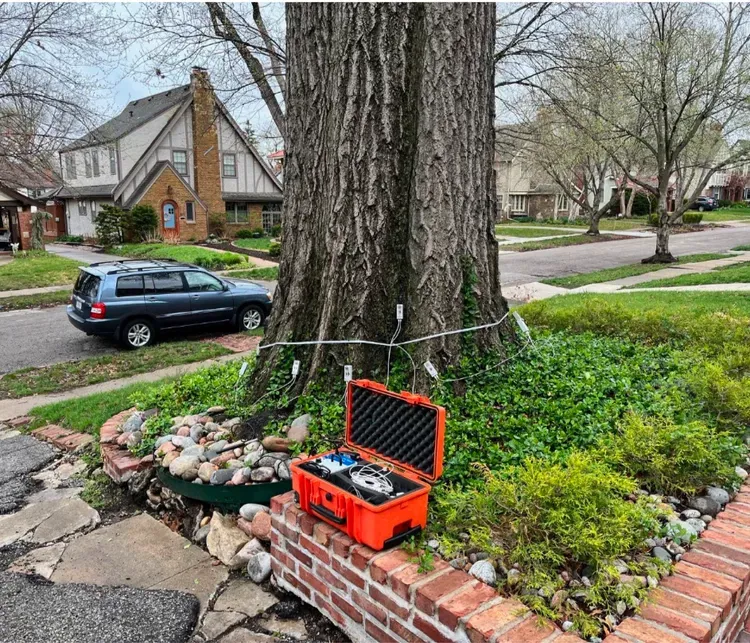
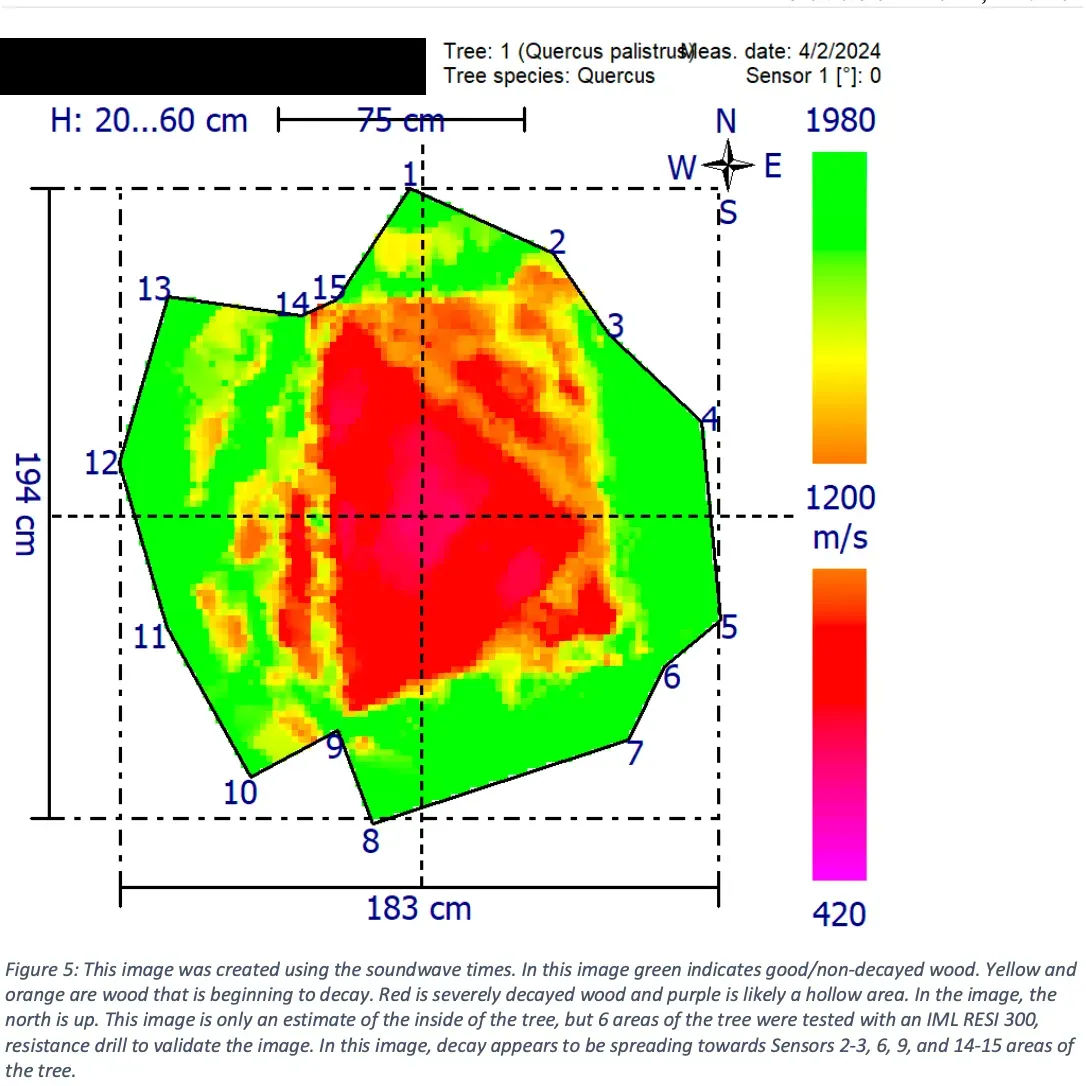
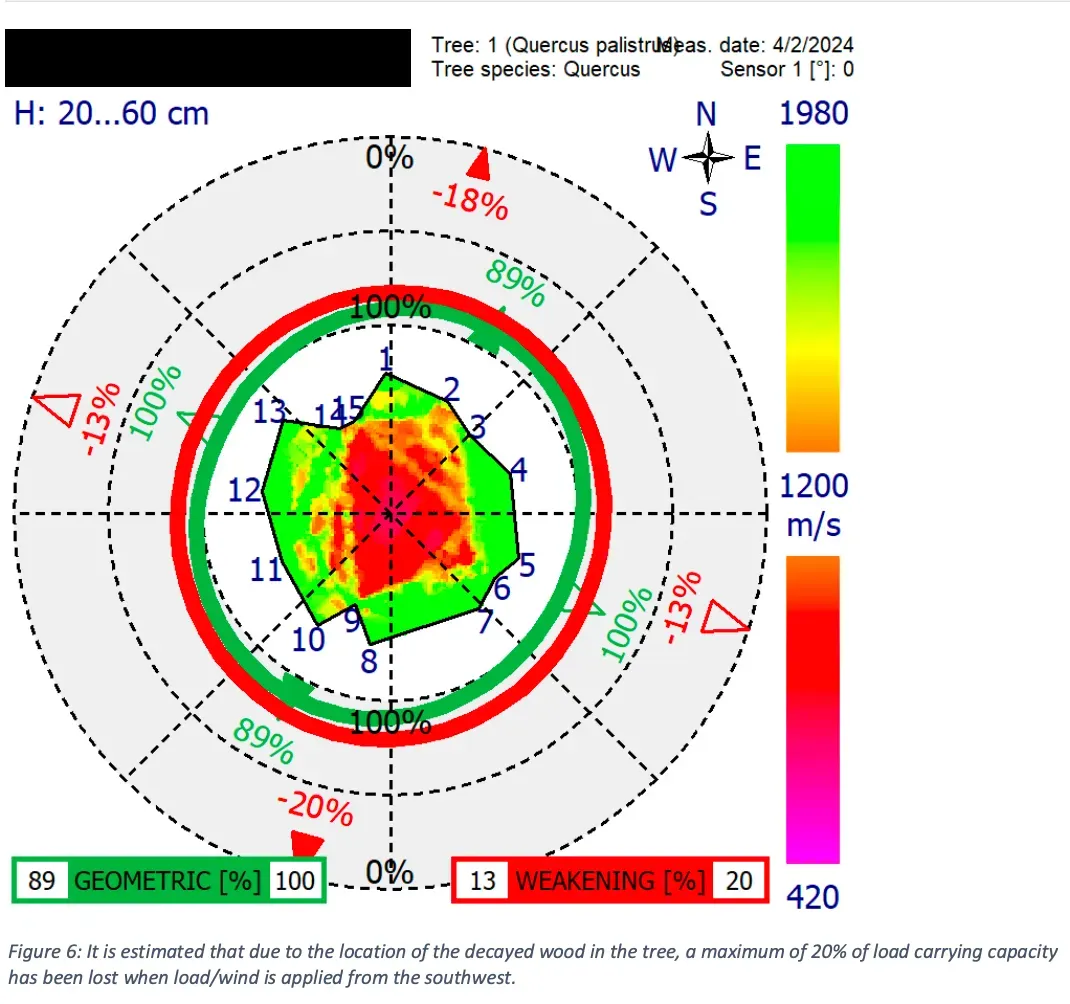
Tree tomography is a non-invasive diagnostic test that produces a 2-D or 3-D image of internal wood density within a tree.
It functions much like a medical scan—but for trees.
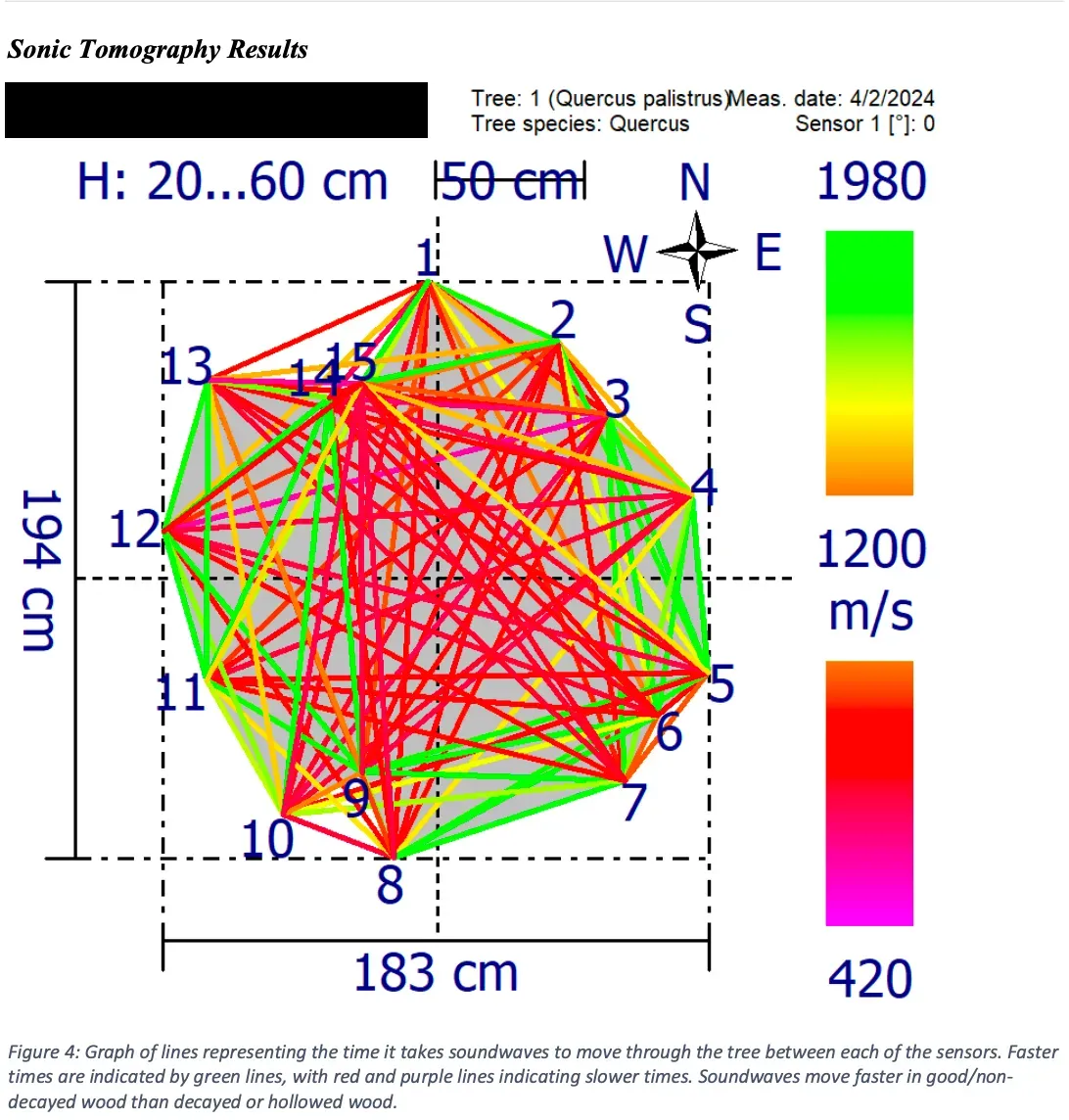
Using specialized sensors placed around the trunk, we measure sound wave transmission through the wood. From this data, we generate a visual map showing:
- Sound, structurally solid wood
- Areas of internal decay
- Hollow cavities
- Cracks or separation zones
- Compromised structural sections
- Root flare integrity
This technology allows us to see what the eye cannot detect. In Lees Summit, MO, where severe weather events can stress mature trees, this level of detail is critical.
Why Scientific Stability Testing Matters
Tree safety decisions should never rely on speculation.
Without data, determining whether a tree is stable often becomes a judgment call. Tree tomography eliminates uncertainty by providing measurable, empirical information.
Our stability testing in Lees Summit, MO, provides the following:
- Structural density readings
- Internal decay measurements
- Remaining wall thickness calculations
- Stability ratings
- Risk classification assessments
- Root plate evaluation when applicable
This scientific approach significantly increases diagnostic accuracy and supports responsible preservation efforts.
Signs Your Tree May Need Stability Testing
You may need tomography testing if your tree in Lees Summit, MO, shows the following:
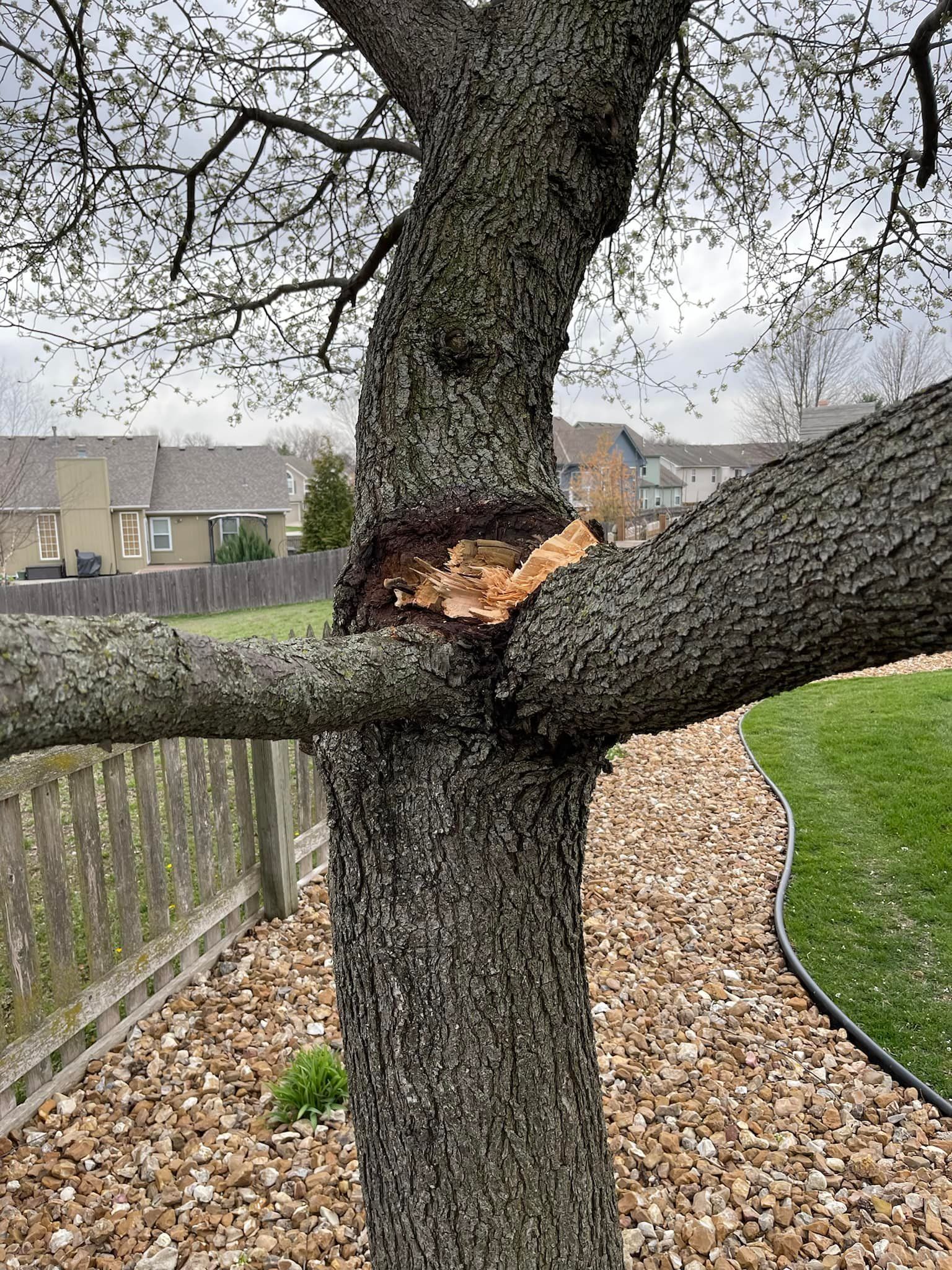
- Large trunk cavities
- Fungal growth at the base
- Lightning strike damage
- Visible cracks or seam separation
- Leaning that has worsened over time
- Construction damage near roots
- Dead canopy sections
- Heavy end weight on extended limbs
These warning signs do not automatically mean removal is necessary. However, they do justify scientific testing.
Visual Inspection vs. Internal Testing
A visual inspection evaluates external symptoms. Tomography evaluates internal structure.
Visual assessments can identify obvious defects. However, they cannot measure the following:
- The percentage of sound wood remaining
- Exact decay depth
- Hidden cavities
- Internal structural thickness
Tree tomography in Lees Summit, MO, provides that missing information, allowing us to determine whether a tree can be preserved or if removal is the safest option.
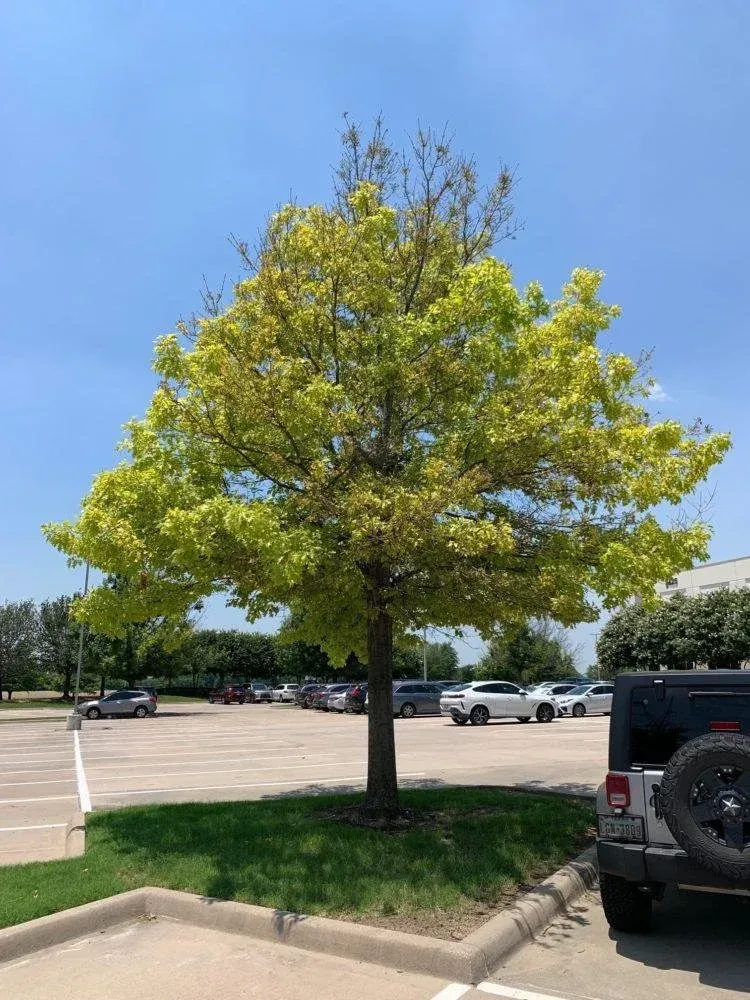
Preserving Mature Trees Through Data-Driven Decisions
Mature trees are valuable environmental assets. They provide:
- Shade and cooling benefits
- Stormwater management
- Wildlife habitat
- Increased property value
- Long-term ecological support
Removing a mature tree unnecessarily impacts both your property and the local environment in Lees Summit, MO.
With scientific stability testing, we can:
- Diagnose early-stage decay
- Develop customized management plans
- Recommend structural pruning
- Install support systems when appropriate
- Schedule monitoring intervals
- Reduce canopy weight to improve stability
Data allows preservation whenever possible.
Our Tree Tomography Process
When you schedule tree tomography with Urban Forestry LLC in Lees Summit, MO, our process includes the following:
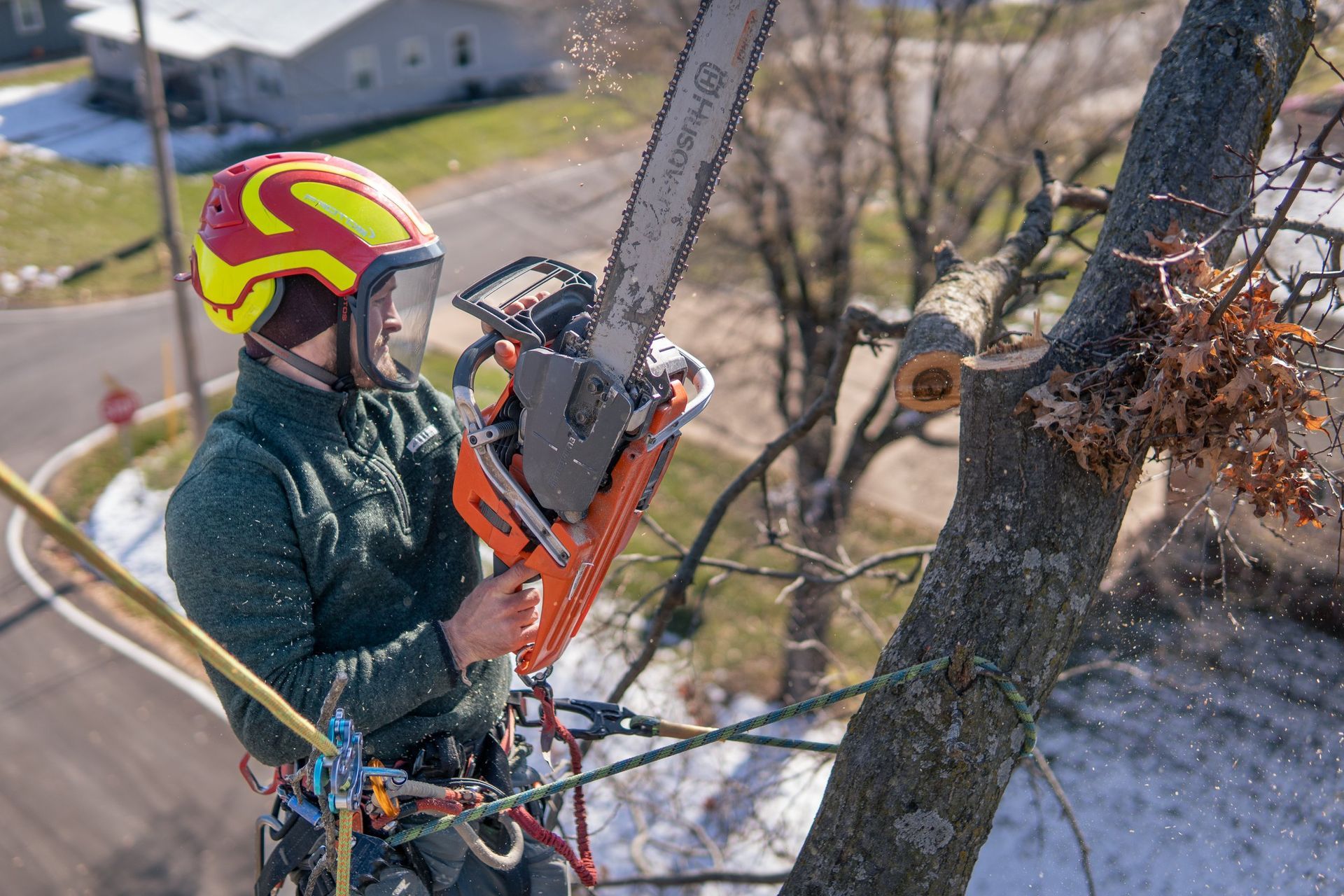
1. Comprehensive Risk Assessment
We begin with a full visual inspection and site evaluation.
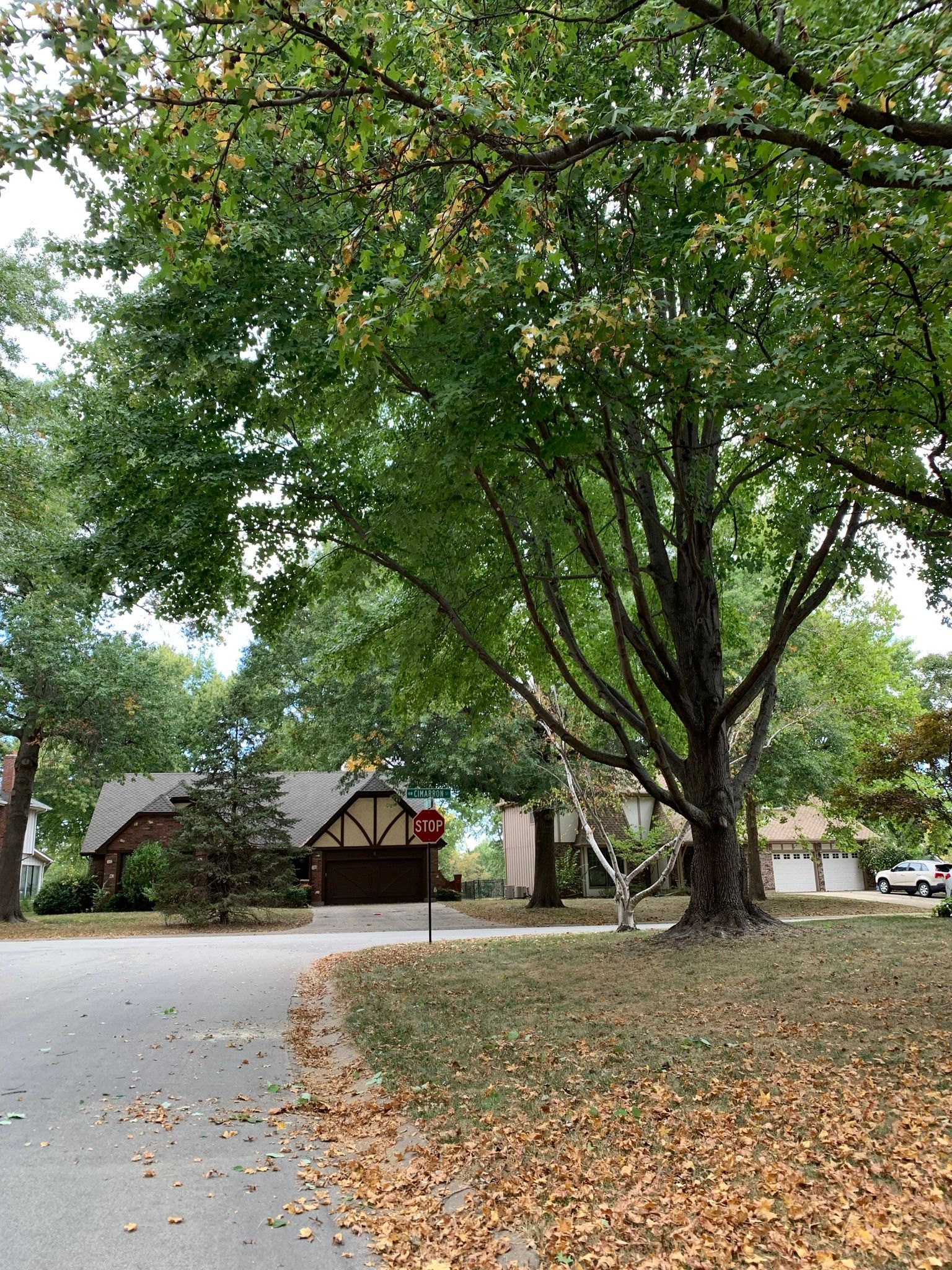
2. Sensor Placement & Data Collection
Specialized sensors are placed around the trunk to measure internal density variations.
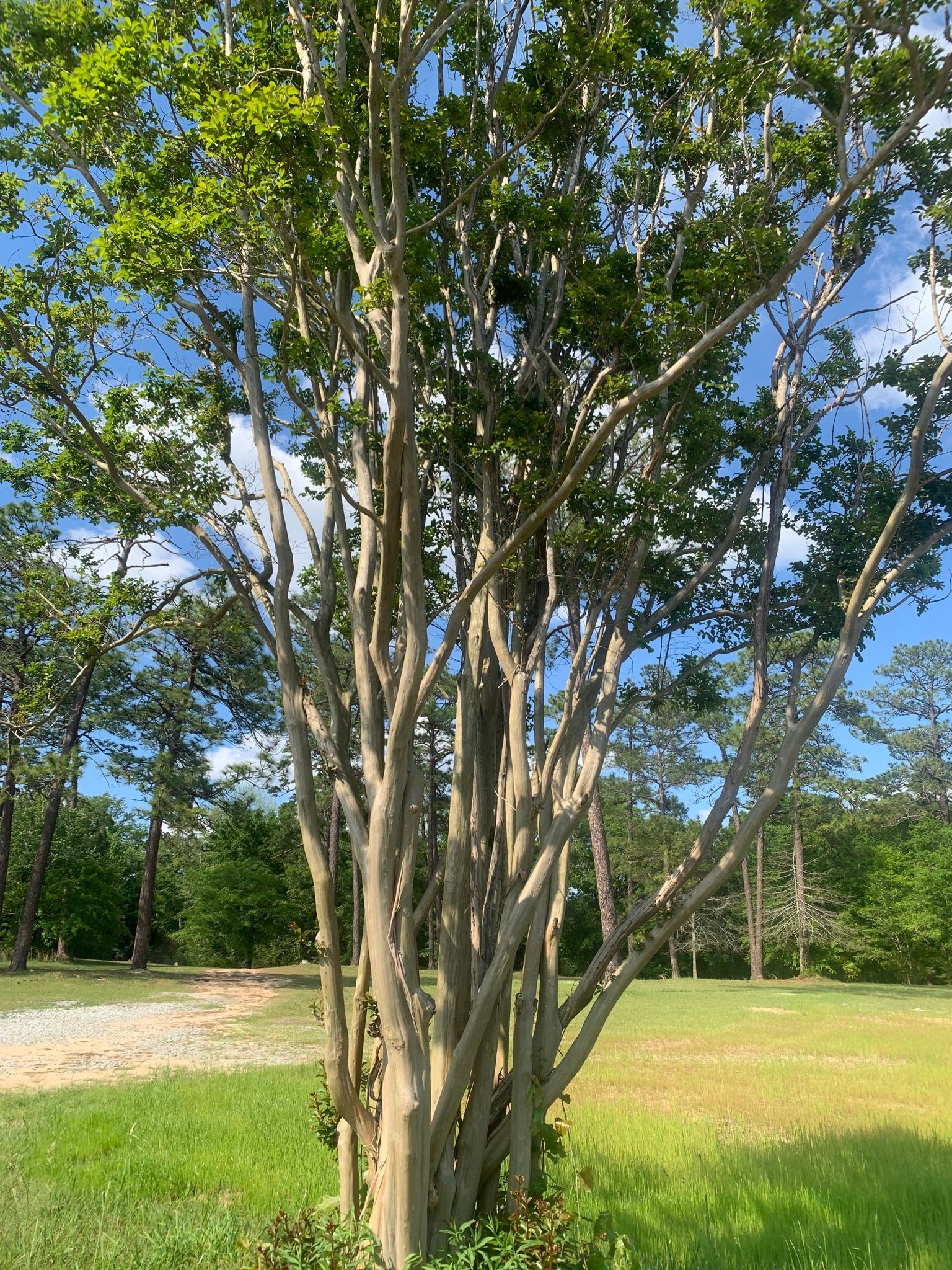
3. Structural Imaging & Mapping
The data is converted into a color-coded image showing solid wood and decay zones.
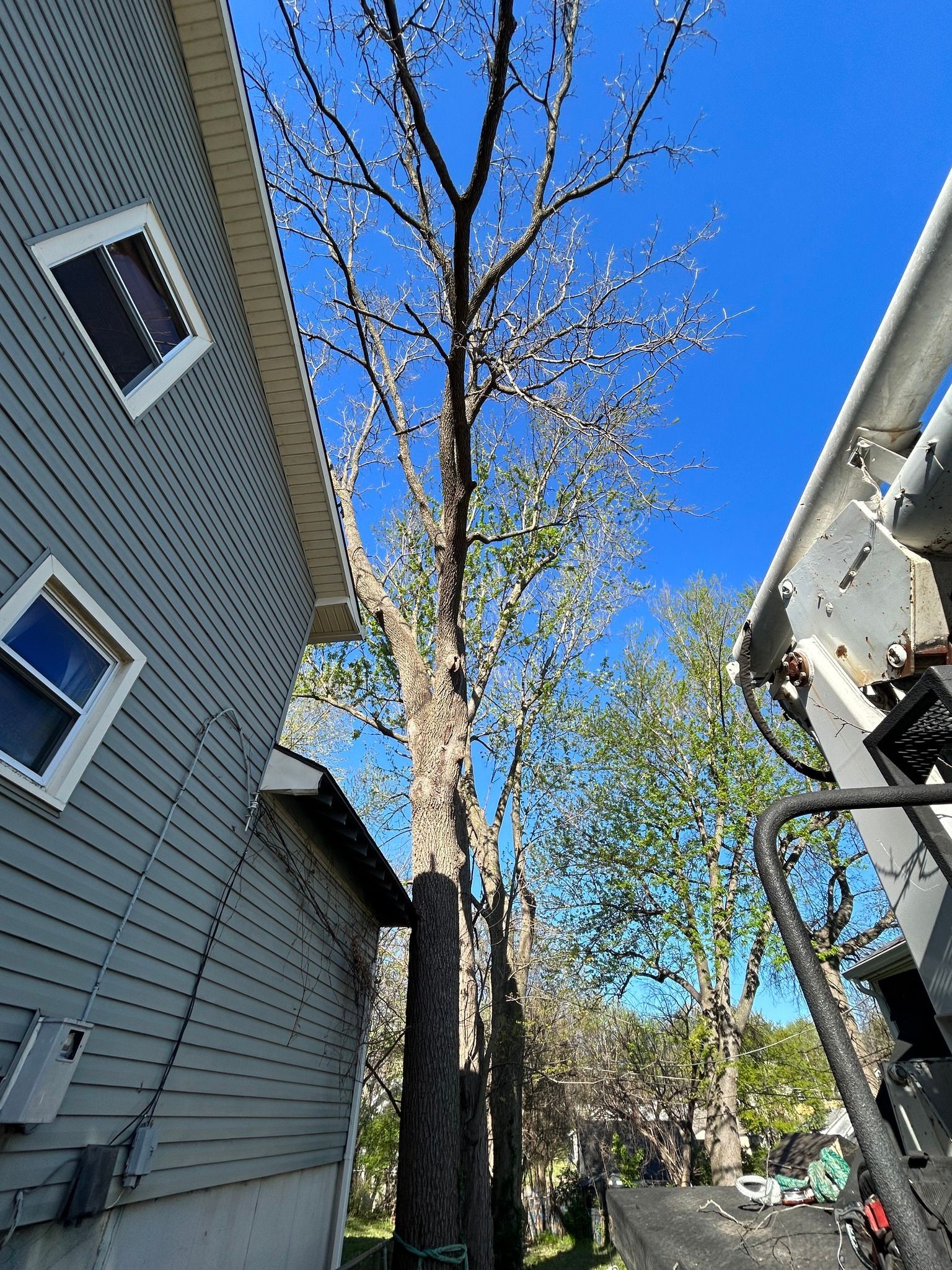
4. Stability Rating & Analysis
We calculate structural wall thickness and assign a stability classification.
5. Professional Arborist Report
You receive a clear explanation of findings, risk level, and recommended next steps.
Every recommendation in Lees Summit, MO, is based on measurable structural data—not assumptions.
When Tree Tomography Is Especially Important
Tree tomography is particularly valuable for:
- Trees located near homes or buildings
- Trees over driveways or high-traffic areas
- Historic or heritage trees
- High-value landscape specimens
- Trees involved in insurance claims
- Trees with prior storm damage
Because failure risk increases when targets are nearby, scientific evaluation in Lees Summit, MO, provides peace of mind.
Long-Term Monitoring and Management
In some cases, decay is present but manageable.
Rather than immediate removal, we may recommend the following:
- Periodic re-testing
- Structural pruning
- Weight reduction strategies
- Cabling or bracing systems
- Root zone protection
Tree tomography allows us to monitor progression over time and adjust management strategies accordingly.
This proactive approach protects both safety and sustainability in Lees Summit, MO.
Frequently Asked Questions
Is Tree Tomography Harmful to the Tree?
No. The testing process is minimally invasive and designed to maintain tree health.
Can Tomography Predict Tree Failure?
While no method guarantees prediction, tomography significantly improves failure risk assessment by identifying internal decay and remaining structural integrity.
Is This Only for Large Trees?
It is most commonly used for mature, high-value, or structurally concerning trees in Lees Summit, MO.
Do You Provide Written Documentation?
Yes. We provide detailed reports outlining findings, stability ratings, and management recommendations.
At Urban Forestry LLC in Lees Summit, MO, we believe tree stability testing should be scientific, not speculative.
Protect your property. Preserve your mature trees. Make informed decisions backed by measurable data.
Call (816) 255-1222 today to schedule your Tree Tomography and Stability Testing service in Lees Summit, MO.